


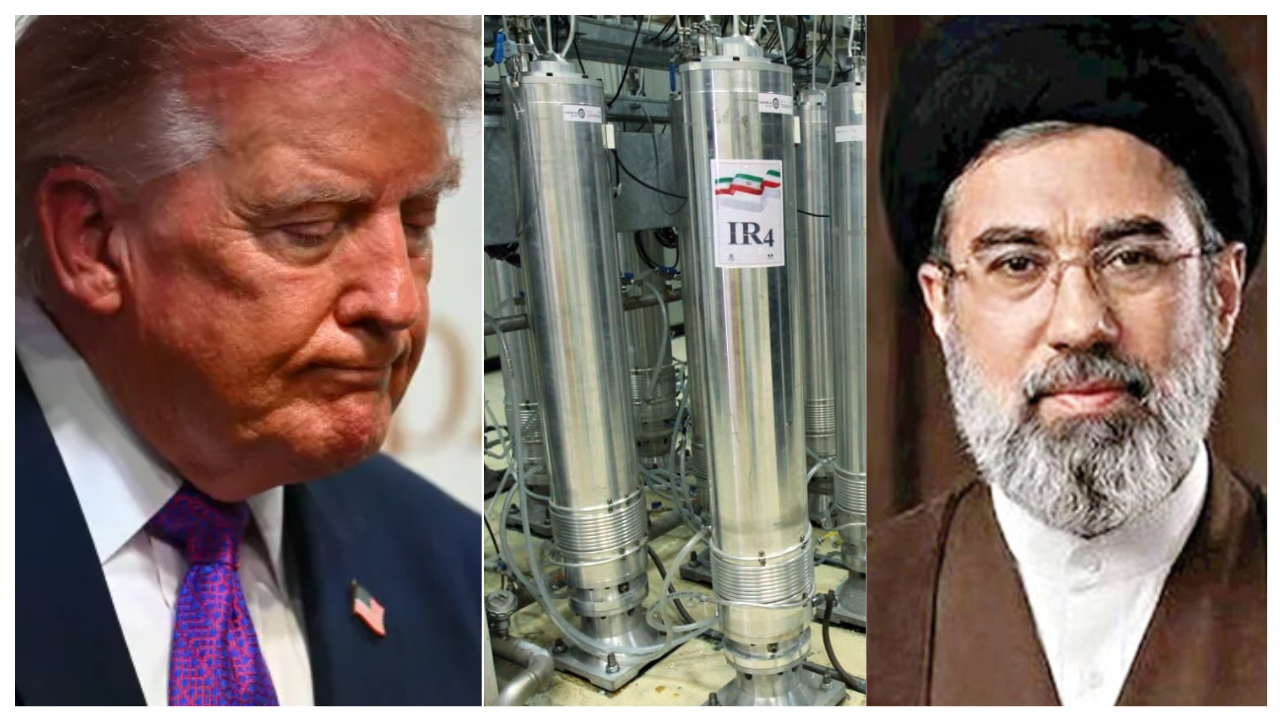
Over the past 24 hours, tensions across the Middle East and Eastern Europe continued to intensify as Washington and Tehran exchanged warnings, Israel discussed possible new action against Iran, and regional powers moved to secure strategic energy routes.
🇺🇸 United States
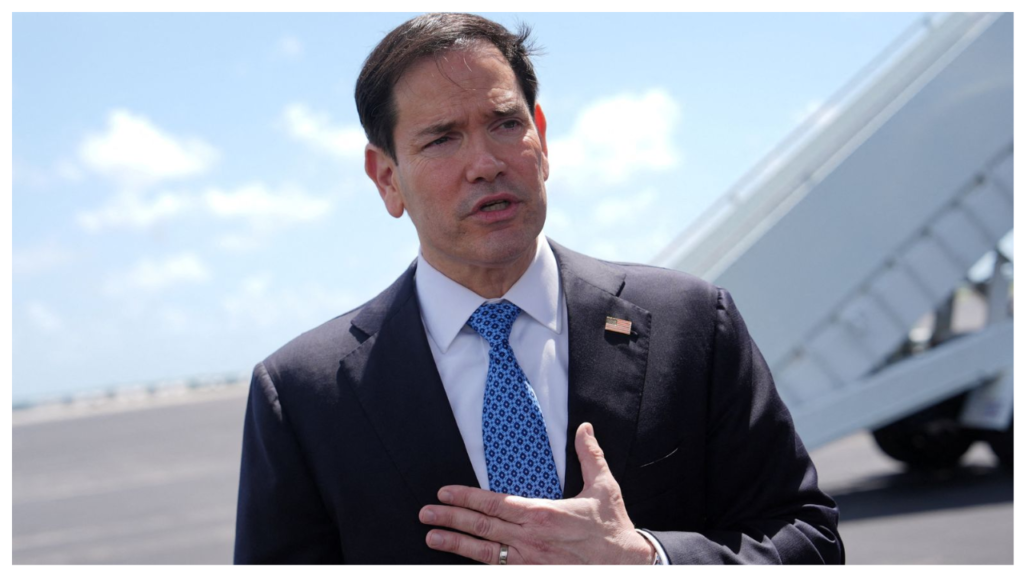
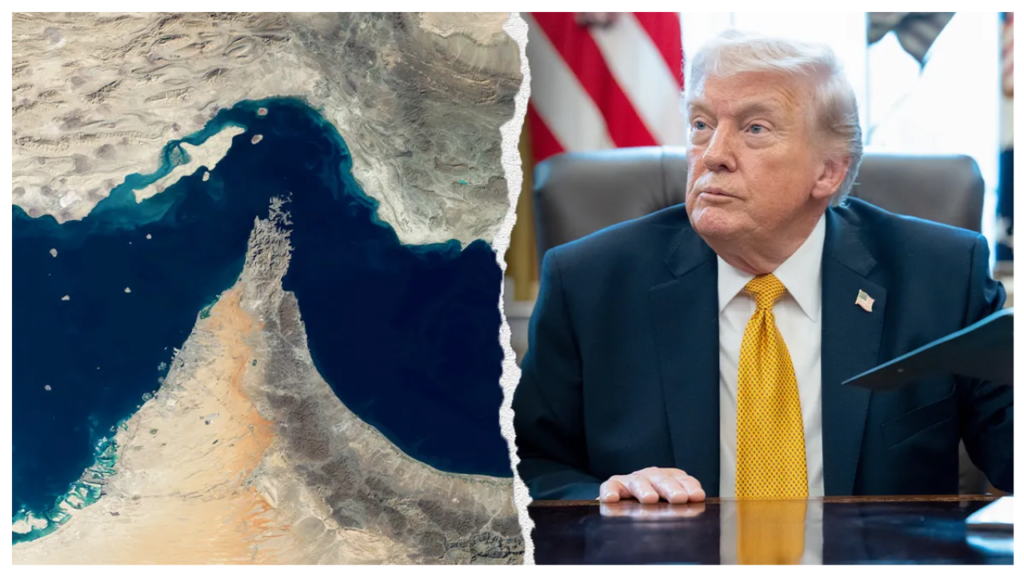
Trump warned Iran to hand over its enriched uranium and abandon plans to control or charge ships in the Strait of Hormuz, saying the US is ready to resume devastating military strikes if Tehran refuses the “right deal,” while Rubio admitted talks still remain deadlocked despite “some good signs.”
🇮🇷 Iran
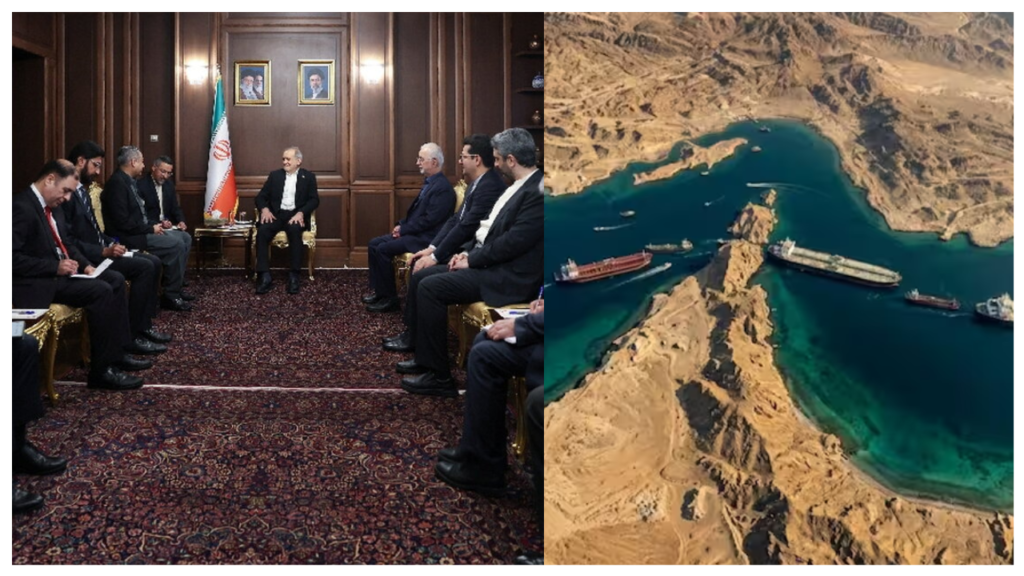
Iran confirmed it is reviewing the latest US proposal through Pakistani mediation, but Tehran’s moves suggest it is still holding a hard line. At the same time, Iran announced a new “supervision area” in the Strait of Hormuz requiring transit permits, directly challenging Trump’s warning that no Iranian “tolls” would be allowed in the strategic waterway.
🇮🇱 Israel
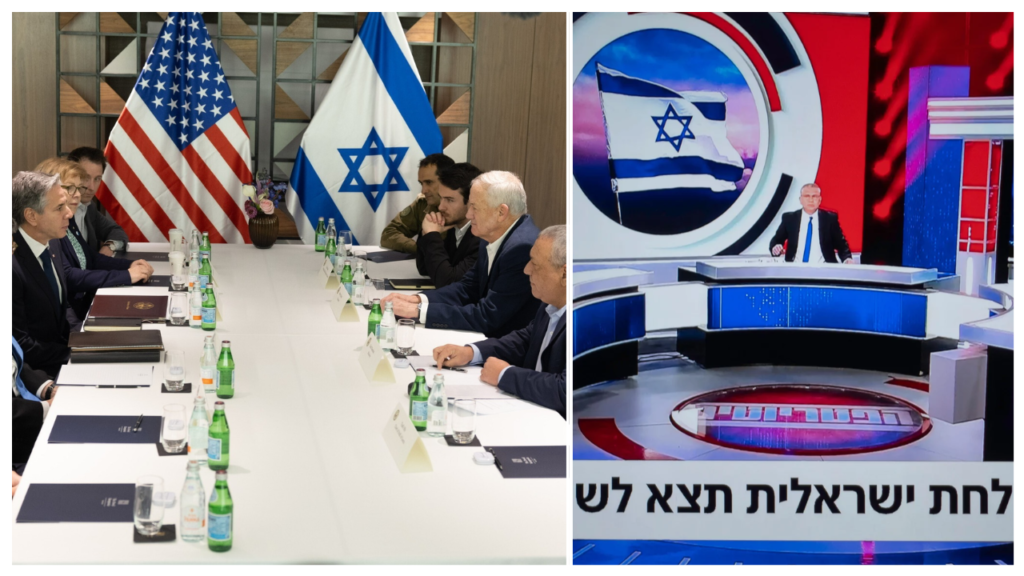
Israeli officials and media are pushing for another war with Iran despite the shaky US-backed ceasefire, while Netanyahu is reportedly angry over Washington slowing down new attacks on Tehran. Israeli security meetings discussed possible strikes on Iran’s uranium and nuclear sites, with hardliners saying Israel “achieved nothing” from the last war. But analysts say Israel cannot launch a major attack without US approval, especially as fears grow over Iran’s missiles and the Strait of Hormuz crisis.
Israeli attacks on southern Lebanon have killed more than 20 people as the fragile Lebanon-Israel “ceasefire” keeps collapsing in reality, while global criticism also grew after Israel deported hundreds of Gaza flotilla activists following raids on aid ships.
🇦🇪 United Arab Emirates
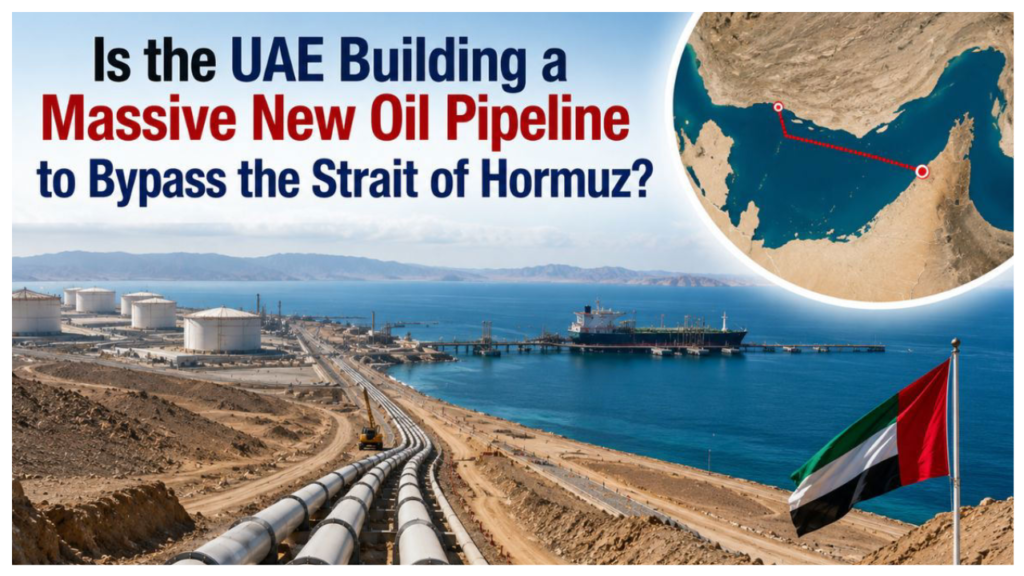
The UAE said its new oil pipeline bypassing the Strait of Hormuz is nearly 50% complete, as Gulf states rush to secure exports during the Iran crisis and ongoing Hormuz blockade threatening global energy supplies.
🇵🇰 Pakistan
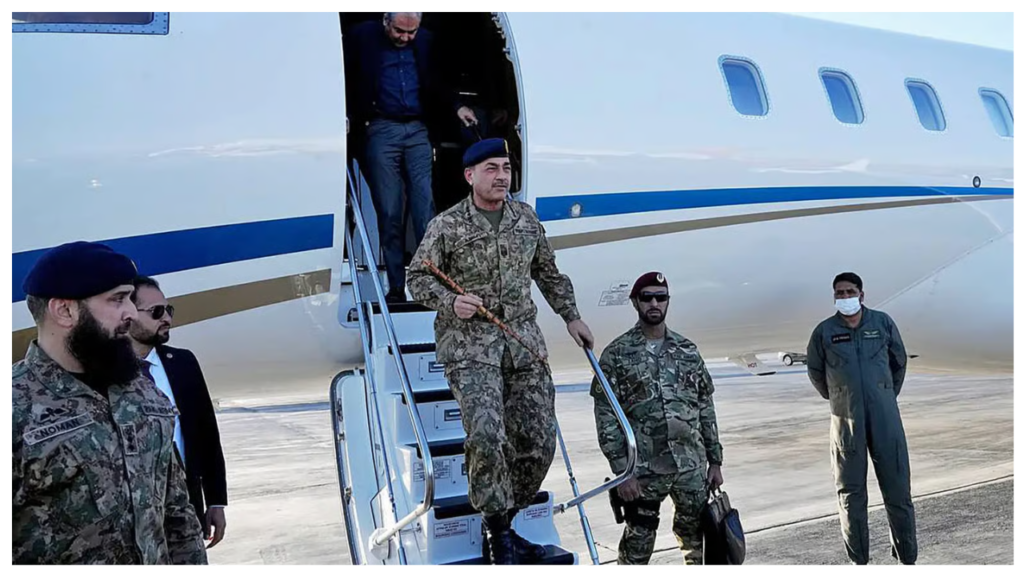
Pakistan’s Army Chief Asim Munir is set to travel to Tehran as part of continued mediation efforts in US-Iran discussions over the war, Iran’s ISNA news agency reported.
🇱🇧 Lebanon
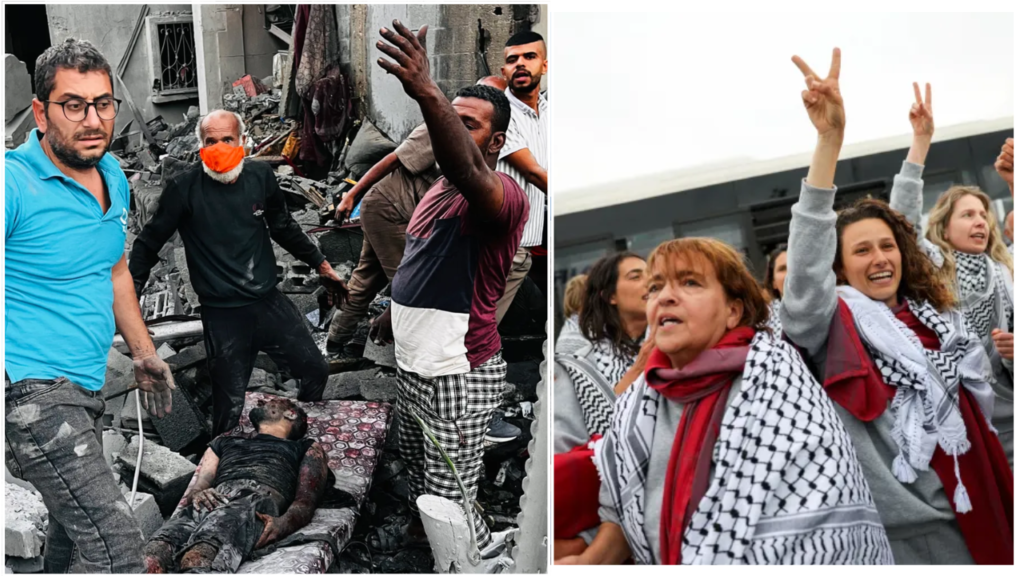
Israeli attacks on southern Lebanon reportedly killed more than 20 people as the Lebanon-Israel ceasefire continued collapsing on the ground. Lebanese officials warned that continued instability and military escalation could significantly damage the country’s economy and GDP growth.
Global criticism also intensified after Israel deported hundreds of Gaza flotilla activists following raids on aid ships.
Conclusion
The past 24 hours showed increasing instability across the Middle East as tensions involving Iran, Israel, and the Strait of Hormuz continued escalating. Diplomatic negotiations remain uncertain while military preparations and regional security concerns continue shaping global geopolitical developments.
